
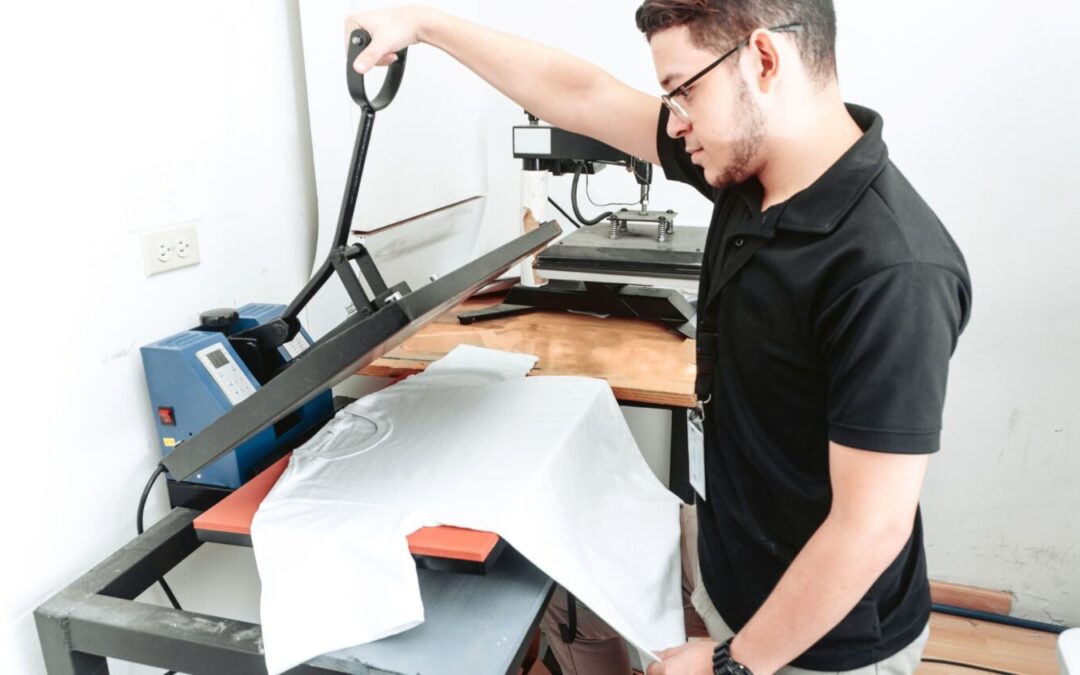
When it comes to custom printing on materials like t-shirts, mugs, hats, and other merchandise, two of the most popular methods are dye sublimation equipment and heat transfer. While both processes involve heat and are used to transfer designs onto surfaces, they differ significantly in their mechanics, applications, and the type of results they produce. Understanding the differences between sublimation and heat transfer will help you make an informed decision on which method is best suited to your needs. Let’s dive in!
What is Sublimation?
Sublimation is a printing process that uses heat to transfer dye onto fabric or other materials, turning the dye into a gas that bonds with the fibers. This process is unique because the dye doesn’t just sit on top of the material; it actually becomes part of the material itself. Sublimation is a chemical process that requires heat, pressure, and specific types of materials to achieve optimal results.
Key Features of Sublimation:
- Works best on polyester: Sublimation works most effectively on synthetic fabrics, particularly polyester, because the dye bonds to the fibers of the fabric. While it can work on other materials like coated ceramics, it is not ideal for natural fibers like cotton.
- Vibrant, full-color results: Sublimation produces high-quality, vibrant colors that are durable and long-lasting, as the dye becomes part of the material itself. The design won’t crack, peel, or fade over time.
- No feel to the print: Since the dye penetrates the fabric, there is no “feel” to the print—this is ideal for designs that require a smooth, high-quality finish.
- Requires specialized equipment: Sublimation printers, heat presses, and special sublimation inks are required to achieve the desired results.
What is Heat Transfer?
Heat transfer involves transferring a design to a substrate (such as fabric, wood, metal, or plastic) using heat and pressure. The design is printed on a special transfer paper or vinyl, then applied to the material using a heat press. There are two main types of heat transfer: heat transfer vinyl (HTV) and inkjet/laser transfer paper.
- Heat Transfer Vinyl (HTV): This method involves cutting out designs from colored vinyl sheets and then applying them to the material with heat. It’s a great choice for bold, simple designs like text or logos.
- Inkjet or Laser Transfer Paper: In this method, you print your design on special transfer paper using a regular inkjet or laser printer. The design is then transferred to the material by pressing it with a heat press.
Key Features of Heat Transfer:
- Works on a variety of materials: Heat transfer is versatile and can be used on cotton, polyester, blends, and other materials, making it suitable for a broader range of projects compared to sublimation.
- Variety of finishes: Depending on the type of heat transfer material used, you can achieve different finishes, including matte, glossy, glittery, and even textured looks.
- Design versatility: Heat transfer allows for intricate and detailed designs, and since it uses paper or vinyl, it can work with a variety of colors and effects.
- Feel to the print: In some cases, especially with vinyl, the print can have a slight raised texture, which may be noticeable when touching the design.
Key Differences Between Sublimation and Heat Transfer
- Material Compatibility:
- Sublimation: Best on polyester or polymer-coated materials.
- Heat Transfer: Works on a variety of materials including cotton, polyester, blends, and even hard surfaces like wood and metal.
- Durability:
- Sublimation: Extremely durable, as the dye becomes part of the fabric. The print won’t crack, peel, or fade over time.
- Heat Transfer: Durability depends on the type of transfer material. HTV can last a long time, but the print can eventually peel or crack. Inkjet transfer paper prints may fade or peel over time, especially after several washes.
- Print Quality:
- Sublimation: High-quality, vibrant prints with smooth, even colors. The design won’t feel raised on the fabric.
- Heat Transfer: The print quality can vary based on the material and method used, but it typically has a slight raised texture, especially with HTV.
- Setup and Equipment:
- Sublimation: Requires a sublimation printer, sublimation ink, and a heat press. The setup can be more expensive but is a one-time cost for long-term use.
- Heat Transfer: Requires a standard inkjet or laser printer, heat press, and either heat transfer paper or vinyl. The equipment may be more accessible and less costly than sublimation.
- Cost:
- Sublimation: The cost of sublimation printing can be higher due to the specialized equipment and inks.
- Heat Transfer: Generally more affordable, especially if you’re using inkjet or laser printers with transfer paper. However, the quality of HTV can vary, and premium options may cost more.
Which One is Right for You?
The choice between sublimation and heat transfer comes down to your specific needs, the materials you plan to use, and your desired results.
- Choose Sublimation if:
- You’re working with polyester or polymer-coated materials.
- You want long-lasting, vibrant designs that won’t crack or peel.
- You’re focusing on full-color, photo-quality images and a smooth finish.
- You have a budget for specialized equipment and ink.
- Choose Heat Transfer if:
- You’re working with a variety of materials, including cotton or mixed fabrics.
- You want to create simple, bold designs with a variety of colors and textures.
- You need a more budget-friendly option with flexibility for smaller runs or custom orders.
- You prefer a method that doesn’t require specialized sublimation printers.
Conclusion
Both sublimation and heat transfer are effective methods for custom printing, and choosing the right one depends largely on the material you’re using and the final product you want to create. Sublimation is perfect for high-quality, durable prints on polyester and polymer-coated materials, while heat transfer offers more versatility and is suitable for a wider range of materials and design types.
By carefully considering your project requirements, budget, and desired results, you can select the right method for your custom printing needs. Whether you go with sublimation or heat transfer, both processes offer fantastic ways to bring your designs to life.
Recent Comments