
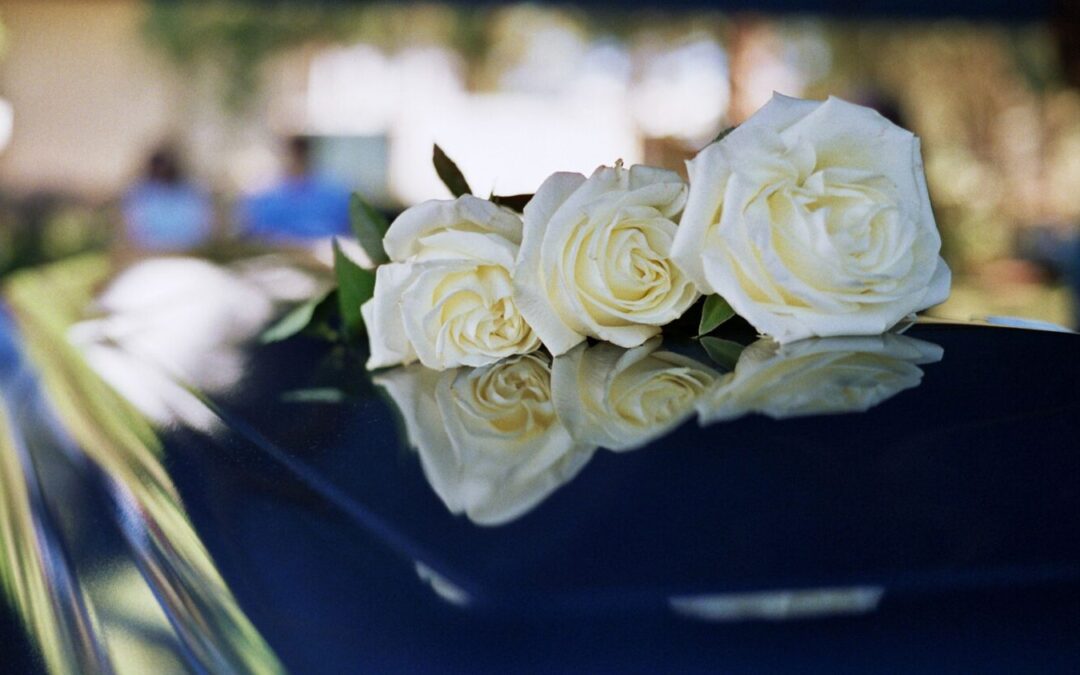
Funerals have changed considerably over recent decades, moving away from a rigid, one size fits all format toward services that genuinely reflect the personality, interests, and life of the person being remembered. For families planning a funeral, understanding the range of options available can help create a service that feels meaningful rather than simply procedural. While the practical aspects of arranging a funeral can feel overwhelming, particularly during a period of grief, taking a little time to understand what is possible often leads to a service that provides genuine comfort, not only on the day itself but in the memories it leaves behind for everyone who attends.
How Funerals Have Changed
For much of the twentieth century, funerals in the United Kingdom followed a fairly predictable format, typically a religious service conducted in a church or chapel, followed by burial in the local churchyard or cremation at a municipal crematorium. While these services were conducted with care and dignity, they offered relatively little scope for personalisation, and for many families the service felt more like a formal obligation than a genuine reflection of the person being honoured.
Over the past two or three decades, attitudes have shifted considerably. Growing numbers of families now choose secular or humanist ceremonies conducted by a celebrant rather than a member of the clergy, and even those opting for a traditional religious service often incorporate personal elements that reflect the individual character of the person who has died. Professional funeral directors rhyl have responded to this change, and most experienced firms will now work closely with families to create a service that feels genuinely personal, whatever format that ultimately takes.
Moving Beyond Tradition Where It Feels Right
While traditional religious services remain an important and appropriate choice for many families, there is no longer a single expected format for a funeral. Increasingly, families choose to incorporate personal touches, favourite music, readings written by loved ones, or even a particular colour scheme that reflects something meaningful about the person who has died. A good funeral director will help explore these options rather than steering every family toward the same standard service.
A humanist or civil ceremony conducted by a trained celebrant offers one of the most flexible alternatives to a traditional religious service. The celebrant typically meets with the family beforehand to learn about the person who has died, using those conversations to craft a service that is genuinely tailored to their life, their personality, and the relationships that mattered most to them. This kind of bespoke approach can be particularly meaningful for families who feel that a standard religious format would not accurately represent the person they are remembering.
It is also worth remembering that tradition and personalisation are not mutually exclusive. Many families choose to hold a service within a familiar religious framework while adding personal elements that make it feel specific to the individual, such as particular hymns chosen for their significance, a tribute written and delivered by a family member, or a display of photographs and mementos near the entrance to the venue.
Choosing Between Burial and Cremation
The decision between burial and cremation is often deeply personal, sometimes guided by religious belief, family tradition, or wishes the person expressed during their lifetime. Both options offer further choices within them, from the type of coffin or casket to whether ashes are kept, scattered, or incorporated into a keepsake. Taking time to understand these options, without feeling rushed into a decision, helps ensure the choice feels right for the family involved.
Burial offers families a fixed, permanent place to visit and remember, which many find comforting in the months and years following a loss. Churchyard burials, municipal cemetery plots, and natural or woodland burial grounds each offer a different character and setting, and the choice between them often reflects the personality and values of the person who has died as much as practical considerations. Natural burial grounds in particular have grown significantly in popularity, offering a simpler, more environmentally conscious alternative to conventional cemetery burial, often in a peaceful rural setting.
Cremation offers a different kind of flexibility, since ashes can be kept, divided between family members, scattered in a place of significance, buried in a memorial garden, or incorporated into a wide range of memorial products from personalised urns to items of jewellery. For families spread across different locations, cremation can sometimes make it easier for everyone to feel connected to a lasting memorial, since the ashes themselves can be shared or moved in a way that a fixed burial plot cannot.
Neither option is inherently more respectful or appropriate than the other, and the right choice is simply whichever feels most aligned with the wishes of the person who has died and the needs of the family left behind.
The Role of Personal Touches
Small, personal details often have the biggest impact on how a funeral is remembered. This might include a favourite piece of music playing as guests arrive, photographs displayed during the service, or asking attendees to wear a particular colour rather than traditional black. These touches help a funeral feel like a genuine celebration of an individual life rather than a generic ceremony.
Music in particular can be extraordinarily powerful in creating the right atmosphere, whether that means a traditional hymn that holds deep personal significance, a song from a particular era in the person’s life, or even a piece of music that might raise a gentle smile because it was so characteristic of who they were. There are very few rules about what music is appropriate at a funeral, and a piece that reflects the genuine character of the person being remembered will almost always feel more fitting than a generic choice selected simply because it is commonly used at services.
Tributes and eulogies offer another opportunity for genuine personalisation. A tribute delivered by a family member or close friend, drawing on specific memories, shared experiences, and the particular qualities that made the person unique, can be one of the most moving and memorable parts of any service. Many people feel daunted by the prospect of speaking publicly while grieving, and a local funeral director or celebrant can offer support in structuring and preparing a tribute that feels manageable to deliver while still doing justice to the person being remembered.
Practical details such as the choice of flowers, the style of order of service, and even the venue chosen for any gathering afterward can all contribute to the overall sense of a service that has been thoughtfully and personally planned. A venue that held particular significance for the person who has died, or a gathering that reflects their interests, such as a favourite pub, a community hall, or even a private home, can help the day feel genuinely characteristic rather than simply conventional.
Considering Memorial Options
Many families find comfort in choosing a lasting memorial, whether that takes the form of a headstone, a memorial bench, or a keepsake created from ashes. These physical reminders can provide an ongoing place to visit or reflect, offering comfort in the months and years following a loss, long after the funeral itself has taken place.
Headstones and memorial plaques offer a traditional form of lasting commemoration, and the range of styles, materials, and inscriptions available has expanded considerably in recent years, allowing families to choose something that feels genuinely personal rather than selecting from a limited standard range. Inscriptions in particular offer a small but meaningful opportunity to capture something essential about the person, whether through a few words that reflect their outlook on life, a line from a favourite poem, or simply their name and dates alongside something that speaks to who they were.
Memorial benches and trees are increasingly popular, particularly in parks, gardens, or natural spaces that held significance for the person who has died. Many local authorities and land management organisations have established memorial schemes that allow families to apply for a bench or tree in a meaningful location, providing a place where family and friends can sit and remember for many years to come.
For families who choose cremation, the range of memorial options available has expanded significantly, from handcrafted ceramic urns and personalised scatter tubes to items of jewellery containing a small amount of ash, glass pieces incorporating ashes into their creation, or even the option to have ashes incorporated into a lasting diamond. These options allow families to find a form of memorial that fits their own relationship with the person who has died, rather than choosing from a limited conventional selection.
Involving Children and Younger Family Members
Deciding how, and whether, to involve children in funeral proceedings is something many families find difficult to navigate. There is no single right answer, and a good funeral director can offer guidance based on experience, helping families find an approach that feels appropriate for the ages and needs of the children involved.
Research and professional guidance increasingly suggests that involving children in funerals, in an age appropriate way, can be more beneficial than excluding them out of a desire to protect them from an upsetting experience. Children who are old enough to understand that a person they loved has died often benefit from the opportunity to say goodbye properly, and attending a funeral can help them understand and process their grief in a way that exclusion sometimes prevents. At the same time, individual children vary enormously, and what feels appropriate for one child may not suit another even of the same age.
Where children are to attend, it is worth preparing them in advance for what to expect, including what the venue will look like, what will happen during the service, and that the adults around them may be upset and emotional. Giving children a small role in the service, such as placing a flower or holding a reading, can help them feel included and valued rather than simply passive observers at a confusing and emotional occasion.
For children who are not attending the service, or who are too young to understand what is happening, creating a separate way to mark the occasion, such as a visit to a meaningful place or a simple ritual at home, can still provide a sense of participation and acknowledgement of the loss.
Planning Practical Logistics
Alongside the more personal and emotional aspects of funeral planning, there are a number of practical logistics that need to be managed carefully to ensure the day runs smoothly. These include confirming the venue and time with all relevant parties, providing clear directions or transport information for attendees, arranging any catering required for a gathering afterward, and communicating key information to family members who may be travelling from a distance.
An order of service, while not strictly essential, can help attendees follow the proceedings and provides a tangible keepsake from the day that many people value in the weeks and months that follow. Photographs, a brief biography, and details of any charity donations requested in lieu of flowers can all be included, creating something that serves as a small but lasting record of the service itself.
If donations to a charity are invited in memory of the person who has died, it is worth considering whether to nominate an organisation that held particular significance for them, since this can add another layer of personal meaning to the occasion and give attendees who wish to contribute a way of feeling connected to the person’s memory beyond the day of the funeral itself.
Taking Time to Get It Right
While there is often pressure to make decisions quickly during a period of grief, most funeral directors will encourage families to take whatever time they reasonably can to consider their options properly. A funeral is a significant moment of remembrance, and getting the details right, in a way that feels true to the person being honoured, matters far more than rushing through a standard checklist.
It is also worth acknowledging that planning a funeral while grieving is genuinely hard, and that it is entirely reasonable to lean on others for support during the process. Delegating specific tasks to trusted family members or friends, whether that is contacting a venue, gathering photographs, or managing responses from those unable to attend, can help distribute the practical burden more evenly, freeing the closest family members to focus on the decisions that matter most.
A Service Worth Remembering
A funeral that genuinely reflects the life of the person who has died can provide real comfort to grieving families, turning what could feel like a purely procedural event into a meaningful moment of remembrance. Working closely with an experienced and compassionate funeral director throughout the planning process makes it far easier to create a service that truly honours that life.
The most moving funerals are rarely the most elaborate or expensive. They are the ones where those attending feel that what they have witnessed genuinely captured something true about the person being remembered, where the music felt right, the words felt honest, and the whole occasion gave people the space to grieve together while celebrating a life well lived. With thoughtful planning and the right support, that kind of service is achievable for every family, regardless of the choices they make about format, scale, or budget.
Recent Comments