
Fuel is one of the most significant operational costs on any farm, and managing it well makes a real difference to the bottom line. For farmers and landowners across North Wales, from the upland sheep farms of Eryri and the Berwyn mountains to the mixed arable and dairy holdings of the Vale of Clwyd and the lowland pastures of Anglesey, understanding the different fuel types available, how they are regulated, and how to store and manage them effectively is a practical necessity.
This guide covers the products such as agricultural fuel north wales, most commonly used in agriculture, the rules governing their use, the storage requirements that apply to farms, and the particular considerations that affect fuel supply and management for farms in rural North Wales.
Gas Oil: The Workhorse of the Farm
Gas oil, commonly known as red diesel or tractor diesel, is the primary fuel used to power agricultural machinery across the UK. It takes its name from the red dye added to it to distinguish it from road diesel, marking it as a rebated fuel on which a lower rate of fuel duty has been paid. The colour also makes it readily identifiable during enforcement checks and in the event of fuel theft.
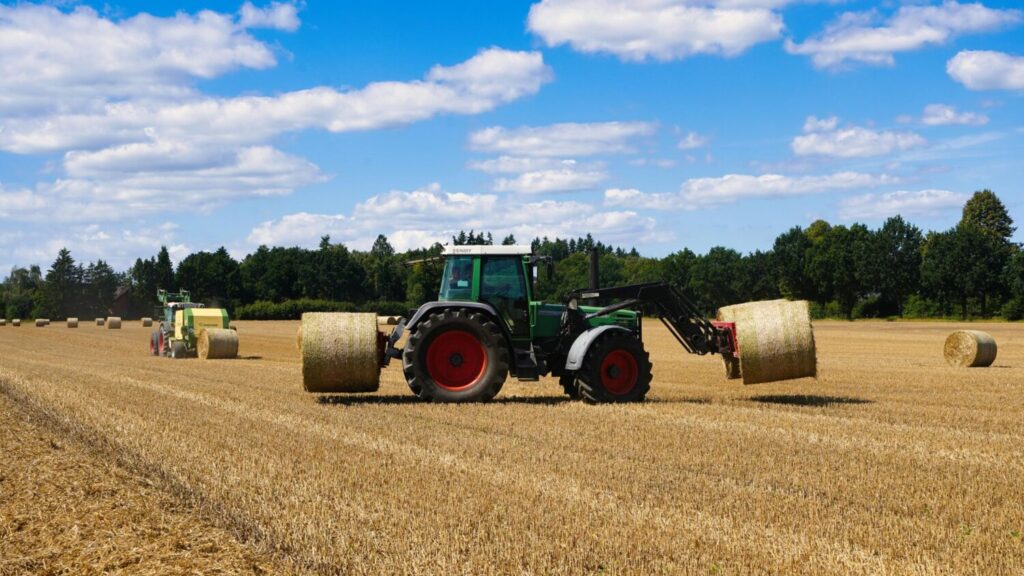
Gas oil is used to power tractors, combine harvesters, telescopic handlers, balers, silage equipment, irrigation pumps, and a wide range of other agricultural machinery. It is also used to heat farm buildings, particularly livestock sheds and grain drying facilities, where consistent and reliable heat is essential during cold weather and at key points in the production calendar.
The 2022 Changes to Red Diesel Entitlement
In April 2022, HMRC removed the entitlement to use red diesel for most non-agricultural purposes. Construction, haulage, and many other sectors that had previously been entitled to use rebated fuel were required to switch to white diesel for their operations. Agriculture retained its entitlement, which means that farmers in North Wales can continue to use gas oil for all qualifying agricultural purposes, including powering vehicles and machinery used in agriculture, horticulture, fish farming, and forestry.
The key point is that the entitlement is tied to the use, not simply the type of business or vehicle. Agricultural vehicles and machinery being used for farming purposes qualify. The same vehicles being used for purposes outside the agricultural exemption do not. For diversified farms where vehicles serve multiple purposes, this distinction requires attention and accurate record keeping.
Qualifying Agricultural Uses in Practice
HMRC guidance confirms that gas oil may be used for the following agricultural purposes, among others:
- Powering tractors and self-propelled agricultural machinery used in crop production, livestock management, and land maintenance
- Operating stationary agricultural equipment such as grain driers, hammer mills, and irrigation pumps
- Heating agricultural buildings including livestock housing, poultry sheds, and crop storage facilities
- Powering vehicles used exclusively on farm land and not on public roads
- Horticultural operations including the heating of glasshouses and polytunnels
- Forestry operations on land managed as part of a farming enterprise
Uses that do not qualify include powering vehicles on public roads, operating non-agricultural construction or maintenance equipment that is not integral to farming operations, and fuelling any vehicle used for the personal transport of the farmer or their family members. Where there is uncertainty about whether a particular use qualifies, HMRC guidance should be consulted or specialist advice sought.
Road Diesel on the Farm
Many farms maintain a supply of standard road diesel, known as white diesel or ULSD (ultra-low sulphur diesel), alongside their gas oil. Road diesel is required for vehicles that use public roads: farm vehicles taxed for road use, pick-up trucks, vans, and any vehicle that travels between farm sites on public roads as part of its regular operation.
For farms in North Wales where fields and farm sites may be separated by stretches of public road, and where contractors or employees regularly travel between locations by vehicle, maintaining accurate records of which fuel is used in which vehicle for which purpose is important. An HMRC fuel inspection that finds red diesel in a vehicle used on public roads can result in significant financial penalties and back-duty assessments.
Heating Oil on the Farm
Kerosene heating oil is widely used on North Wales farms for heating farmhouses, cottages, and office buildings. Many farmhouses in rural areas of Gwynedd, Conwy, Denbighshire, and Anglesey are not connected to the mains gas network, which makes oil-fired heating the primary or only practical option for central heating and hot water.
Kerosene is a different product from gas oil and should be stored and ordered separately. Mixing the two in a boiler or heating system can cause damage and performance problems. Where a farm operates both an oil-fired boiler for the farmhouse and gas oil-powered machinery, clear labelling and separate storage tanks are essential.
In the upland areas of North Wales, where winters can be severe and prolonged, heating oil supply security is a genuine operational concern. A farm that runs out of heating oil in January in a remote location in the Conwy Valley or on the slopes of the Berwyn mountains faces a very unpleasant situation, and the lead time for a delivery during periods of high demand can be longer than expected. Managing stock levels carefully and ordering before the tank approaches the lower quarter of its capacity is a basic but important part of fuel management on a rural farm.
Fuel Storage on North Wales Farms: Regulations and Best Practice
The storage of fuel on farms is regulated to protect the environment, particularly watercourses and groundwater, from the risk of oil pollution. North Wales has a large number of important rivers, streams, and aquifers, and the upland topography means that spilled oil can travel quickly through the landscape into watercourses. Natural Resources Wales (NRW) is the relevant regulatory body for environmental matters in Wales, and its requirements for oil storage are broadly aligned with the Control of Pollution (Oil Storage) (England) Regulations, though there are some differences that apply specifically in Wales.
Oil Storage Regulations: Key Requirements
The regulations apply to oil storage installations above 200 litres on farms and other premises. The principal requirements include:
- The tank must be in good condition with no visible signs of deterioration or leakage
- A secondary containment system, typically a bunded base or bund wall, must be capable of holding at least 110 percent of the tank’s maximum capacity
- Taps, valves, and fill pipes must be within the secondary containment area or otherwise protected against leaks running to ground
- The installation must be sited away from open drains, loose soils, and areas at risk of flooding
- Appropriate fill point labelling must be in place to prevent incorrect fuel delivery
- For tanks above 3,500 litres or located close to a watercourse or in a source protection zone, additional requirements may apply
Many farms in North Wales, particularly those on older sites with tanks installed before current regulations came into force, have storage that does not meet current standards. A tank that lacks a bund, has deteriorated, or is positioned in a way that creates pollution risk should be assessed and, where necessary, replaced. The cost of a tank replacement is modest compared to the cost of an environmental incident, which can involve NRW enforcement action, clean-up liability, and reputational damage.
Above-Ground Bunded Tanks
The standard modern agricultural fuel storage solution is a bunded above-ground tank, typically manufactured from steel or polyethylene with an integral secondary containment chamber. These tanks are available in a wide range of capacities and can be fitted with a variety of ancillary equipment including level gauges, overfill protection, remote monitoring systems, and secure lockable dispensing points.
For farms with high fuel consumption, such as large arable or contracting operations, larger capacity tanks reduce the frequency of deliveries required and can make bulk pricing more accessible. For smaller farms, a more modest tank size may be appropriate and more practical to site and manage. A reputable fuel supplier with experience of agricultural customers across North Wales will be able to advise on appropriate tank sizing and specification for your specific operation.
Tank Monitoring and Remote Level Sensing
Remote tank monitoring systems use electronic level sensors to transmit fuel level data to an online portal or mobile application, allowing farmers to check their fuel levels at any time without a physical visit to the tank. For farms where the fuel tank is located at a distance from the main farm buildings, or where the farmer is frequently away from the holding, this technology provides genuine practical value. Automated low-level alerts ensure that a delivery can be arranged before the tank runs critically low.
For North Wales farms in particularly remote locations, where access for a fuel delivery tanker may be constrained by weather, road conditions, or narrow lanes in the winter months, knowing your fuel level accurately and ordering with adequate lead time is especially important. The hill roads of Eryri and the more remote parts of the Llyn Peninsula and Anglesey are not always accessible to a large tanker in difficult conditions, and a supplier with a varied fleet of delivery vehicles including smaller tankers suited to restricted access is a significant practical advantage.
Fuel Quality and Its Effect on Agricultural Machinery
Agricultural machinery is expensive and its availability at critical times in the farming calendar is non-negotiable. A tractor or combine that fails during harvest because of a fuel quality problem is not simply an inconvenience: it can directly affect the outcome of months of work and potentially cause significant financial loss. Fuel quality is therefore not an abstract concern for farmers: it is a practical one.
Common Fuel Quality Issues
The most common fuel quality problems affecting agricultural operations are microbial contamination, water ingress, and wax formation in cold conditions. Each of these can cause fuel system blockages, filter clogging, and ultimately engine problems that require expensive remediation.
Microbial contamination, sometimes called diesel bug, occurs when bacteria and fungi grow at the interface between fuel and water in a storage tank. The microorganisms produce a dark sludge that blocks fuel filters and injectors, and the acids they generate can corrode tank walls and fuel system components. Once established in a tank, microbial contamination requires treatment with a biocide additive and a thorough tank clean to eradicate. Prevention is considerably easier than cure.
Water ingress is the primary cause of microbial contamination and also causes damage in its own right. Water enters tanks through condensation on the inner surfaces of partially full tanks, through poor seals around fittings, and through filling operations in wet weather. Bunded tanks with tight-fitting caps and appropriate ventilation reduce the risk, but regular inspection and periodic tank sampling remain good practice.
Wax formation in cold conditions, known as cold filter plugging, is particularly relevant on upland North Wales farms where winter temperatures can fall well below those experienced in more southerly parts of the UK. Modern gas oil has a cold filter plugging point (CFPP) that varies by season and by the specific product supplied. During prolonged cold spells at altitude, even a product within specification can produce wax crystals that block filters and cause fuel starvation. A winter-grade gas oil or a cold flow improver additive can provide protection in these conditions.
The Role of Fuel Additives
Fuel additives are formulated to address and prevent the quality issues described above and to improve the performance characteristics of standard fuels. For agricultural operations, the most relevant additive types include:
- Biocides: eliminate and prevent microbial growth in storage tanks and fuel systems
- Water dispersants: remove water from fuel in suspension so it passes through the engine harmlessly rather than accumulating in the tank
- Cold flow improvers: reduce the cold filter plugging point of gas oil, providing protection during cold weather without the need to switch to a different fuel grade
- Cetane improvers: raise the cetane number of gas oil, improving combustion efficiency and reducing the fuel consumption of agricultural engines
- Detergent and injector cleaners: keep fuel system components clean and remove deposits that reduce engine performance and fuel economy
- Stability additives: extend the storage life of fuel held in tanks for extended periods, particularly relevant on farms where certain machinery may be fuelled only once or twice per year
Lubricants for Agricultural Machinery
Lubricants are an essential part of the fuel and maintenance picture for any farm. The correct selection and regular replacement of engine oils, hydraulic fluids, transmission fluids, and greases directly affects the service life and reliability of agricultural machinery. Using the wrong lubricant specification, or extending service intervals beyond those recommended by the manufacturer, can cause premature wear, void manufacturer warranties, and ultimately result in expensive mechanical failures.
Modern agricultural machinery, particularly tractors with stage V emissions-compliant engines, has specific lubricant requirements that reflect the demands placed on engines running at high power outputs for extended periods. Universal tractor transmission oil (UTTO), which provides combined lubrication for the transmission, hydraulics, wet brakes, and power take-off on modern tractors, is a product that varies in specification between manufacturers and machinery generations. Using the correct UTTO for a specific tractor is important for the performance of the wet brake system in particular.
A fuel supplier with an established lubricants range and the expertise to advise on correct specification for different machinery provides genuine value to agricultural customers, removing the need to source lubricants separately and ensuring that the products supplied are appropriate for the equipment in use.
Agricultural Fuel Supply in Rural North Wales: Practical Considerations
The geography of North Wales creates practical fuel supply challenges that are distinct from those affecting farms in more accessible parts of the country. Many farms in Gwynedd, Conwy, and Anglesey are reached by narrow lanes, steep access roads, or roads that become difficult or impassable for large vehicles during winter weather. A fuel supplier who knows the region, operates a varied fleet of vehicles including smaller tankers capable of reaching restricted access sites, and understands the seasonal and weather-related constraints of delivering to rural North Wales is a supplier worth having.
For farms in the upland areas of Denbighshire and Conwy, or on the more exposed parts of Anglesey, winter fuel planning should take into account the possibility that delivery may not always be possible on the requested date. Ordering before the tank drops below a quarter full, maintaining a relationship with a reliable local supplier who prioritises existing customers during periods of high demand, and considering a scheduled delivery arrangement that ensures regular top-ups rather than reactive ordering when the tank is running low are all sensible practices.
Choosing a Local Agricultural Fuel Supplier
For agricultural fuel customers in North Wales, the advantages of working with a locally based independent fuel distributor over a national provider are substantial. A local distributor will have established delivery routes across the region, knowledge of access constraints at individual sites, and the flexibility to respond to urgent requirements at critical times such as harvest or a prolonged spell of cold weather. They will know their customers and their circumstances, and they can be reached directly rather than through a national call centre.
The ability to source fuel, lubricants, additives, and tank products from a single local supplier simplifies procurement and reduces the logistical burden on busy farming operations. A supplier who can advise on fuel quality issues, help with additive selection, arrange tank replacements, and deliver a range of products reliably is a genuine operational asset for any agricultural business.
The Future of Agricultural Fuel
The agricultural sector is facing significant long-term changes in its energy and fuel landscape. The Welsh Government’s commitment to net zero carbon emissions by 2050, and the specific targets set for the agricultural sector through Cymru’s Land Management Policy, create a context in which the long-term future of fossil fuel use in farming is genuinely in question.
Hydrotreated vegetable oil (HVO), a second-generation biofuel that can be used as a drop-in replacement for conventional gas oil in most agricultural machinery without modification, is emerging as a significant option for farmers who wish to reduce their carbon footprint in the near term. HVO produces significantly lower net carbon dioxide emissions than fossil diesel over its life cycle and meets the same EN 590 fuel standard. It does not suffer from the cold weather or storage stability issues associated with fatty acid methyl ester (FAME) biodiesel blends, making it a more practical option for year-round use on North Wales farms.
Electric and hydrogen-powered agricultural machinery is developing, though mass-market adoption at the level required for large farm operations remains some years away. In the near term, HVO and other renewable liquid fuels are the most realistic route to reducing the carbon intensity of agricultural operations for most North Wales farmers.
Conclusion
Agricultural fuel management is not simply a matter of ensuring the tank is full. It encompasses regulatory compliance, fuel quality management, appropriate storage, lubricant selection, and the logistics of reliable supply in a region where geography and climate create real challenges. For farmers across North Wales, working with a knowledgeable local fuel supplier who understands the specific demands of agricultural operations in this region is one of the most practical investments a farming business can make.
Recent Comments