
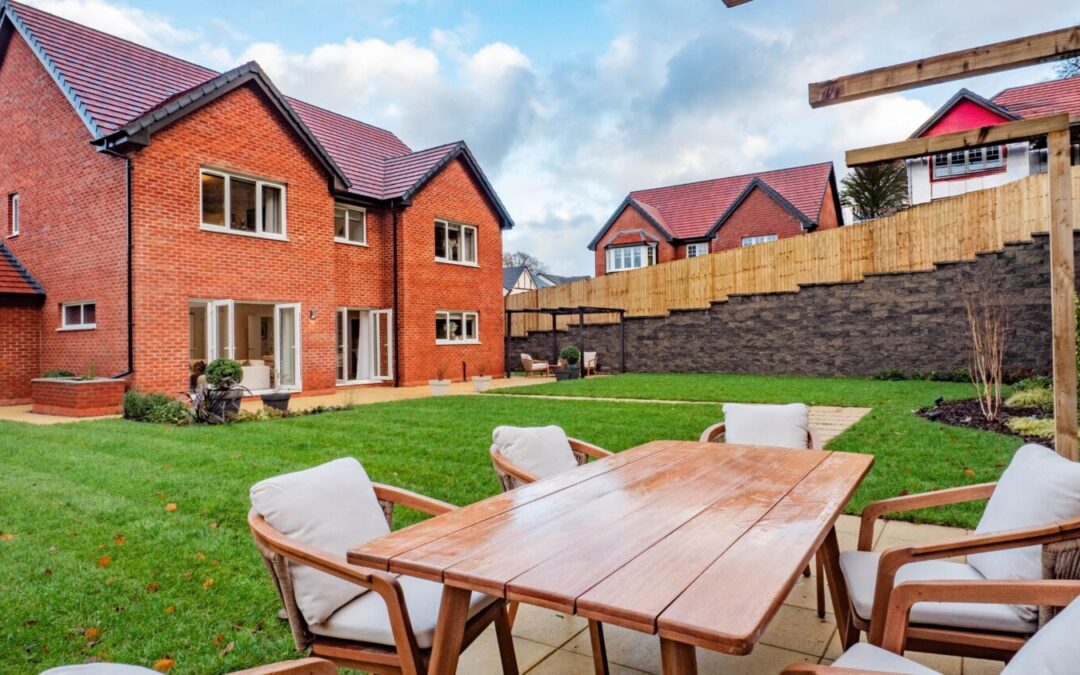
When it comes to buying a home, one of the first decisions you’ll face is whether to purchase a new build or an older home. Both options have their own unique advantages and challenges, and choosing the right one depends on your lifestyle, priorities, and long-term goals. New build homes, with their modern features, energy efficiency, and customization options, are becoming increasingly popular among homebuyers. However, like any significant purchase, there are pros and cons to consider before making a decision.
In this blog, we’ll weigh the pros and cons of buying a new build homes north wales to help you determine if it’s the right choice for you.
The Pros of Buying a New Build Home
1. Modern Design and Customisation
Pro:
New build homes are designed with the latest architectural trends in mind. From open-concept layouts to sleek finishes and advanced home technologies, these homes are tailored to suit modern lifestyles. One of the key advantages of buying a new build is the opportunity to customise certain aspects of your home.
Why it matters:
- Customisation Options: Many new build developers offer buyers the chance to personalise key elements of the home, such as flooring, countertops, cabinetry, and even room layouts. If you want your home to reflect your unique style, this level of flexibility is a huge plus.
- Contemporary Features: New builds often include modern design features like energy-efficient windows, spacious kitchens, and flexible floor plans that can better meet your current and future needs.
2. Energy Efficiency and Lower Operating Costs
Pro:
One of the standout features of new build homes is their energy efficiency. With updated building materials and systems, these homes are designed to conserve energy, helping you save money on utilities.
Why it matters:
- Reduced Utility Bills: New build homes are equipped with modern insulation, energy-efficient windows, and energy-saving appliances, which can significantly lower your heating and cooling costs.
- Sustainability: Many new builds also include eco-friendly features such as solar panels, rainwater harvesting systems, and electric car charging stations, making them a great option if you’re looking to reduce your carbon footprint.
3. Fewer Repairs and Maintenance
Pro:
When you buy a new build, the house is essentially “brand new,” which means you won’t have to worry about major repairs or replacements anytime soon. The plumbing, electrical systems, roof, and other important components are all built to last and covered by warranties.
Why it matters:
- Warranty Coverage: Most new build homes come with a builder’s warranty, typically lasting anywhere from 1 to 10 years, depending on the builder and the region. This warranty often covers structural issues, defects, and certain types of damage, offering peace of mind.
- Minimal Upkeep: With no aging systems or materials, a new home requires much less maintenance than an older home. You can enjoy your new property without having to fix things like outdated wiring, leaky roofs, or deteriorating appliances.
4. Modern Technologies and Smart Home Features
Pro:
New build homes are often equipped with the latest technology, allowing homeowners to enjoy a higher standard of living through automation and connected devices. From smart thermostats to security cameras, these features make life more convenient and secure.
Why it matters:
- Smart Home Integration: Many new homes come with built-in smart technology, allowing you to control your home’s temperature, lighting, and security systems via your phone or voice commands.
- Future-Ready: New homes are often wired to accommodate future technological upgrades, ensuring your home can evolve as new innovations emerge.
5. A Clean Slate and Potential for Growth
Pro:
When you purchase a new build home, you get a fresh start. There’s no need to worry about inheriting someone else’s design choices, maintenance problems, or outdated systems. The property is a blank canvas, ready for you to make it your own.
Why it matters:
- No Renovations Needed: You won’t have to worry about remodeling or updating the property to suit your tastes.
- Future Expansion: Many new build homes are located in areas that are still developing, which means you might be able to take advantage of future growth in the neighborhood. This can also translate into an increase in property value over time.
The Cons of Buying a New Build Home
1. Higher Purchase Price
Con:
While new build homes come with numerous advantages, they can often be more expensive than older homes. The cost of brand-new construction, along with modern amenities and finishes, can lead to a higher price tag compared to a similar-sized home in an established neighborhood.
Why it matters:
- Premium for Newness: New homes often come at a premium price because of the latest building materials, advanced technologies, and desirable features. Depending on the location, you might pay significantly more for a new build compared to an older home in the same area.
- Additional Costs: In addition to the higher purchase price, there may be additional costs for upgrades, such as landscaping, window treatments, or custom finishes, which can quickly add to the total cost of the home.
2. Limited Character and Charm
Con:
New build homes, while modern and stylish, can sometimes lack the character and charm that older homes possess. Many buyers appreciate the architectural quirks, historical details, and established landscaping that older homes offer.
Why it matters:
- Standardised Design: New homes tend to follow a formulaic design process, with fewer unique or personalised features. While they may look sleek and contemporary, they might not have the same individuality or appeal as older properties.
- New Neighborhood Feel: In some cases, new build neighborhoods can feel less established or lack the sense of history that comes with older areas. If you’re looking for a home with a rich heritage or a sense of community, an older home might be more appealing.
3. Construction Delays and Unfinished Areas
Con:
New build homes may be subject to construction delays, especially if you’re purchasing a home before it’s fully completed. This can leave you waiting longer to move in or dealing with unfinished landscaping, roads, or community amenities.
Why it matters:
- Delayed Move-In Dates: If you’re on a tight timeline, construction delays can be frustrating. Even if the house is finished, it may take longer for surrounding infrastructure, like sidewalks or parks, to be completed.
- Inconvenience: You might move in to find that certain areas, such as landscaping, driveways, or community facilities, are still under construction, which can be an inconvenience.
4. Lack of Established Neighborhood and Local Amenities
Con:
Since new build homes are often located in newly developed areas, they may not yet have the same local amenities, such as grocery stores, schools, or recreational facilities, that you would find in established neighborhoods.
Why it matters:
- Fewer Local Amenities: When you move into a new build neighborhood, you might find that you have to travel farther to access key amenities or services.
- Growing Pains: Newly developed areas may face growing pains, such as construction noise, limited infrastructure, or lack of mature landscaping, which can make the area feel less settled initially.
Conclusion: Is a New Build Home Right for You?
Choosing between a new build and an older home depends on your individual preferences, budget, and lifestyle. New build homes offer modern designs, energy efficiency, fewer maintenance concerns, and the opportunity to customise your space, but they can come with a higher price tag and a lack of established character.
If you value modern amenities, low maintenance, and a fresh start, a new build home may be the perfect choice for you. However, if you’re looking for a home with character, a more established community, or a lower price point, an older home might be a better fit.
Ultimately, it’s important to weigh the pros and cons, assess your needs, and consider your long-term goals before making your decision.
Recent Comments