
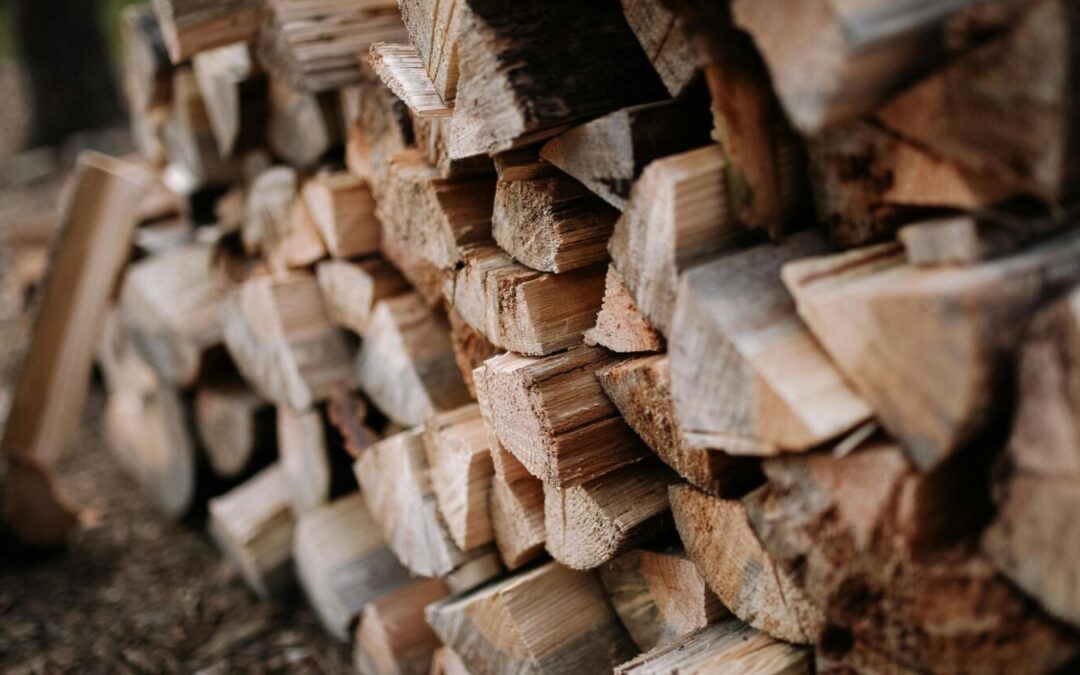
As the colder months approach, households across North Wales start thinking about how to keep their homes warm without wasting money on fuel that simply will not burn well. One of the most important decisions you can make is choosing kiln dried loose logs over standard seasoned or unseasoned logs. This guide explains why kiln dried wood makes such a difference, how to tell good firewood from poor quality logs, and what to look for when buying firewood for delivery in areas such as Llandudno, Conwy, Llanrwst and Colwyn Bay.
What Does Kiln Dried Actually Mean?
Kiln dried firewood is wood that has been dried in a controlled, heated environment rather than left outside to season naturally over a year or more. The kiln drying process reduces the moisture content of the wood to below 20 percent, and often much lower, which is the level recommended for efficient and clean burning. Naturally seasoned logs can vary wildly in moisture content depending on how they were stored, meaning you often cannot be sure how well they will burn until you try them.
Why Moisture Content Matters So Much
Wet or poorly seasoned wood is one of the biggest causes of poor stove performance and chimney problems. When logs contain too much moisture, a large amount of the energy released during combustion is used up evaporating that water rather than producing heat. This leads to:
- Lower heat output from your wood burner or open fire
- Excessive smoke and a smoky smell in the room
- Sooty deposits and tar buildup inside flues and chimneys, increasing the risk of chimney fires
- More frequent chimney sweeping and maintenance costs
- Wood that hisses, spits and struggles to stay lit
Kiln dried logs avoid these problems because the low moisture content allows for a hotter, cleaner and more efficient burn from the moment they are lit.
Softwood or Hardwood: Which Should You Choose?
Firewood generally falls into two categories, and understanding the difference helps you buy the right logs for your needs.
Softwood, such as pine or spruce, tends to be less dense, lights quickly and produces a fast, hot flame. It is a popular choice for getting a fire established quickly or for shorter evening burns.
Hardwood, such as oak, ash or birch, is denser and burns more slowly, giving a longer, steadier heat output. Many households prefer to mix the two, using softwood to get a fire going and hardwood to keep it burning through the evening.
Higher density hardwood is generally considered better value for long winter nights, since fewer logs are needed to maintain the same level of heat over several hours.
Sustainability and Sourcing
Responsible firewood suppliers source their logs from well managed, local forests rather than importing wood from far afield. Buying locally sourced firewood not only supports sustainable forestry practices but also reduces the carbon footprint associated with transporting fuel long distances. Look out for approval schemes and certification marks that confirm the wood meets recognised standards for moisture content and sustainable sourcing, as these give an added layer of confidence that you are buying a genuinely ready to burn product.
Choosing the Right Format for Your Needs
Firewood is typically sold in a few different formats:
- Loose logs – an affordable option, ideal for those who want flexibility on quantity
- Bagged logs – convenient for storage and handling, often screened to remove dust and small offcuts
- Bulk buy bundles – a cost effective option for households that get through a lot of wood each winter, often combining softwood and hardwood with kindling included
Kindling is also worth considering as part of any firewood order, since dry kindling makes lighting a fire far easier than relying on paper and small twigs alone.
Tips for Storing Firewood Correctly
Even kiln dried logs can reabsorb moisture if stored badly, so it pays to get storage right:
- Keep logs off the ground on a rack or pallet to allow airflow underneath
- Store wood under cover, ideally in a log store with open sides for ventilation
- Avoid stacking logs directly against a damp wall
- Only bring in the amount of wood you plan to burn over the coming days, keeping the rest properly covered outside
Firewood for More Than Just Winter
While firewood is most closely associated with keeping homes warm during winter, kiln dried logs are just as useful throughout the warmer months. Firepits, chimineas and pizza ovens all benefit from dry, efficient burning wood that lights easily and produces less smoke, making summer evenings outdoors more enjoyable for everyone.
Making the Right Choice for Your Home
Whether you are heating a home with a wood burning stove, enjoying an open fire, or firing up a pizza oven on a summer evening, the quality of your firewood makes a noticeable difference. Choosing kiln dried logs from a supplier that sources sustainably and offers reliable delivery across North Wales, including areas such as Llandudno, Conwy, Llanrwst and Colwyn Bay, takes the guesswork out of keeping your home warm efficiently. For households in the region, ready to burn kiln dried firewood delivered locally is one of the simplest ways to ensure a cleaner, hotter and more reliable burn all year round.
Recent Comments