
Fuel is a fundamental operational input for a wide range of businesses: haulage and logistics companies, construction contractors, plant hire operators, facilities management organisations, manufacturing sites, and many others. For these businesses, the reliability, quality, and cost of oil distributors ellesmere port directly affects operational performance and profitability.
Yet fuel procurement is often managed reactively rather than strategically, particularly in smaller businesses where the responsibility falls to someone who has many other priorities. This guide is intended to help commercial operators of any size think more clearly about their fuel supply arrangements and identify opportunities to improve both cost and reliability.
Understanding Commercial Fuel Products
Commercial fuel requirements vary considerably depending on the nature of the business, the equipment operated, and the regulatory context in which the business operates.
Road diesel (ULSD)
Ultra-low sulphur diesel is the standard fuel for road vehicles. It is the fuel used in HGVs, vans, cars, and any other vehicle operating on the public highway. For businesses with fleets of road vehicles, road diesel typically represents the largest single fuel cost.
Gas oil
Gas oil, sometimes called red diesel, is a lower-taxed fuel intended for use in off-road applications: static plant, generators, construction machinery, agricultural equipment, and certain heating applications. The entitlement to use gas oil is defined by legislation and has been significantly tightened in recent years. Businesses should ensure they have a clear understanding of which applications within their operation are eligible for gas oil use, as misuse carries severe financial penalties including the reclassification of duty liability.
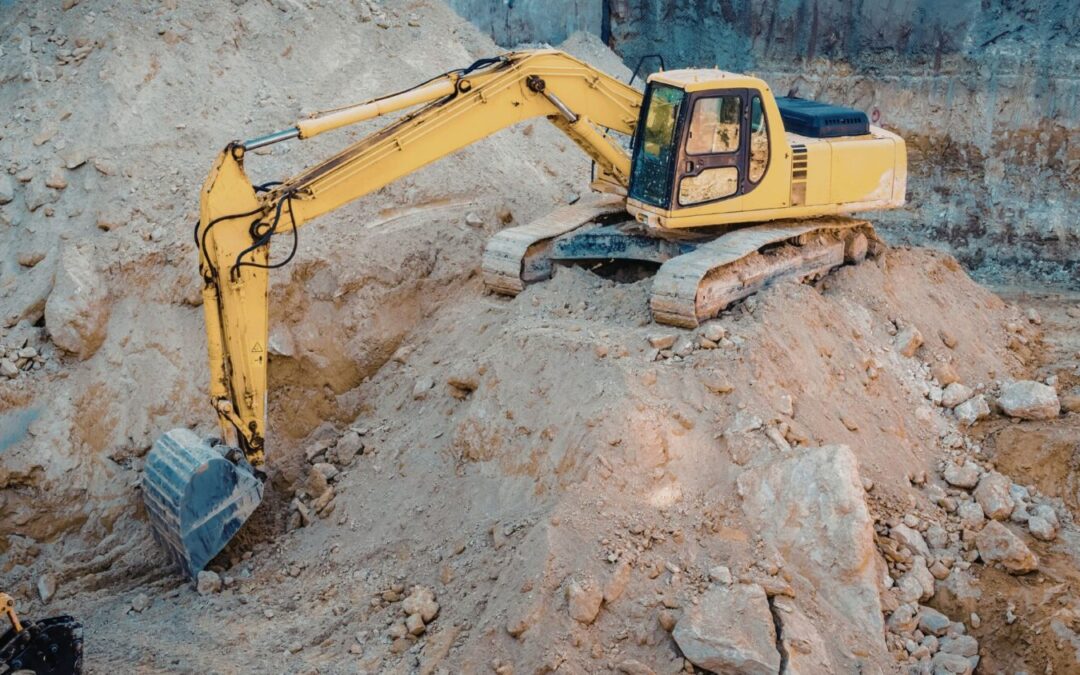
In construction, for example, tracked plant and static equipment such as generators and compressors typically retain entitlement to gas oil. Road vehicles used to transport materials or personnel do not.
Heating and process fuel
Commercial properties, warehouses, factories, and office buildings with oil-fired heating systems use kerosene or gas oil depending on their boiler specification. Industrial processes may also require specialist fuel grades.
Lubricants
Most commercial fuel suppliers also supply lubricants across a range of specifications: engine oils for vehicles and machinery, hydraulic fluids, transmission oils, and specialist greases. Consolidating fuel and lubricant supply through a single supplier simplifies procurement and can offer pricing advantages.
Assessing Your Fuel Supply Requirements
A clear picture of your fuel requirements is the starting point for any commercial fuel procurement exercise. Without it, it is difficult to choose the right supplier, negotiate appropriate terms, or evaluate whether your current arrangements are serving you well.
Volume and frequency
Understanding your total fuel consumption, broken down by product type, gives you the basic information a supplier needs to price your business appropriately and plan delivery logistics. For businesses with variable consumption, providing a reasonable estimate of your seasonal range is more useful than a single annual figure.
Storage capacity
The volume of on-site storage available determines how frequently deliveries are needed and, to some extent, how much flexibility you have in timing your orders. Businesses with substantial storage capacity can take advantage of volume pricing and order when conditions are favourable. Those with limited storage are more exposed to short-term price movements and more dependent on frequent, reliably timed deliveries.
If your current storage capacity is limiting your ability to manage procurement strategically, it may be worth considering an investment in additional tankage. The payback period for tank installation can be relatively short when viewed against the potential saving from improved procurement flexibility.
Delivery access and logistics
Commercial fuel deliveries are made by tanker vehicles that vary in size from relatively small rigid trucks to articulated vehicles carrying 30,000 litres or more. The access constraints at your site, including road width, weight limits, turning circles, and any time-of-day restrictions on deliveries, will determine which delivery vehicles can serve you and should be clearly communicated to any prospective supplier.
For sites with multiple fuelling points or complex internal logistics, it is worth discussing the delivery operation in detail with the supplier before agreeing terms, to ensure they have a clear and accurate picture of what each delivery involves.
Fuel Storage: Regulatory Compliance
Commercial fuel storage is subject to a more demanding regulatory framework than domestic storage, and businesses that operate fuel stores have significant compliance obligations.
Control of Pollution (Oil Storage) Regulations
The Control of Pollution (Oil Storage) Regulations 2001 apply to stored oil at commercial premises in England. Equivalent regulations apply in Wales, Scotland, and Northern Ireland. The regulations apply to any storage installation holding more than 200 litres of oil, and set out requirements for secondary containment, tank condition, the location of fill points and gauges, and the protection of associated pipework.
Non-compliance can result in enforcement action by the Environment Agency or Natural Resources Wales, and businesses found responsible for a pollution incident resulting from inadequate containment face potentially very significant remediation costs and civil liability.
Planning and building regulations
Significant fuel storage installations at commercial premises may require planning permission or be subject to building regulations, particularly where they involve the construction of bunded compounds or the installation of large above-ground tanks. It is important to take appropriate advice at the planning stage of any new storage installation.
Fire safety
Storage of flammable liquids at commercial premises must comply with the Dangerous Substances and Explosive Atmospheres Regulations 2002 (DSEAR), which require a risk assessment of any location where flammable substances are stored or handled. The specifics of compliance depend on the quantity stored, the nature of the location, and the activities taking place. A competent fire safety advisor can help to ensure your storage arrangements meet the relevant requirements.
Tank inspection and maintenance
Commercial tanks should be subject to regular inspection by a competent person to assess their condition, the integrity of secondary containment, and the operation of any associated equipment such as gauges, alarms, and pump systems. A record of inspections should be maintained. Many businesses find it useful to include tank inspections as part of a managed service arrangement with their fuel supplier.
Managing Fuel Quality in Commercial Operations
Fuel quality has direct consequences for the performance, maintenance costs, and reliability of the equipment it powers. In commercial operations where downtime is costly and maintenance budgets are closely managed, it is a subject worth taking seriously.
Contamination risks
Diesel contamination in commercial fuel stores takes several forms. Water ingress, through condensation or inadequate sealing of fill points, creates the conditions for microbial growth, commonly known as diesel bug. Sediment and particulate contamination from degraded tank surfaces or inadequate filtration can damage injectors and fuel system components in modern, high-pressure common-rail engines, which operate to very tight tolerances.
Particulate contamination is particularly damaging in modern diesel engines, where injector nozzle orifices are extremely small and the injection pressures are very high. Even relatively small quantities of contamination can cause injector wear or failure, with replacement costs that can run to thousands of pounds per vehicle.
Fuel polishing
Where contamination is suspected or a tank has been in service for an extended period without cleaning, fuel polishing is the process of circulating the stored fuel through a filtration and separation system to remove water, particulates, and microbial biomass. Regular fuel polishing, or polishing as a remediation measure following a contamination incident, can restore fuel quality and protect downstream equipment.
Additive programmes
A number of commercially available fuel additive programmes are designed to address specific quality challenges in fleet operations. These include biocides for treating and preventing microbial contamination, cold flow improvers for winter operability, cetane improvers for combustion quality and fuel efficiency, and injector cleaner additives for maintaining system cleanliness.
For larger fleets or high-consumption operations, the potential fuel saving from a well-chosen additive programme, combined with reduced maintenance costs from better-protected engines, can make a meaningful contribution to overall operating costs. It is worth discussing your specific circumstances with a supplier who has genuine expertise in fuel quality and additives.
Fuel Cards and Fleet Management
For businesses with vehicle fleets, fuel cards are the standard mechanism for managing roadside refuelling away from base, but they can also be integrated with on-site fuelling systems to provide unified reporting across both.
Fleet fuel cards
Fleet fuel cards are accepted at a network of filling stations and allow businesses to control which drivers can purchase fuel, in which vehicles, and within what spending limits. They produce detailed transaction reports that can be reconciled with vehicle mileage records to detect unusual consumption patterns or potential misuse.
The pricing available through fleet fuel card programmes varies, and it is worth reviewing your arrangements periodically to ensure the rates you are receiving remain competitive. For businesses with significant roadside fuel spend, the difference between a good and a mediocre card arrangement can be material.
On-site fuel management systems
On-site fuelling installations at commercial premises can be equipped with automated fuel management systems that record each fuelling transaction in detail: driver identity, vehicle, odometer reading, fuel type, and quantity. This data provides the foundation for genuine fleet fuel cost management, allowing consumption to be tracked by vehicle, driver, or cost centre and benchmarked against expectations.
The capital cost of a managed fuelling system is relatively modest for organisations with larger fleets, and the data it produces can inform decisions about vehicle replacement, driver behaviour improvement, and routing efficiency that more than justify the investment.
Price Risk Management
Fuel price volatility is a fact of commercial life, and businesses with significant fuel spend face a meaningful exposure to price movements that can affect both their own costs and the competitive dynamics of their market.
Volume commitments and contract pricing
Some suppliers offer commercial customers the opportunity to fix the price of a defined volume of fuel for a forward period, providing certainty around a proportion of fuel spend. The terms and availability of such arrangements vary, and they involve a degree of commitment that may not suit all businesses, but for operations where fuel represents a significant and fairly predictable proportion of total cost, they are worth exploring.
Indexed supply contracts
An alternative to fixed pricing is a supply contract where the price is set with reference to a published index, such as the Platts assessment for diesel or kerosene. This approach provides a transparent pricing mechanism and allows the customer to understand how their fuel cost relates to the underlying market, without the risk of fixing at an unfavourable level.
Bulk purchasing
For businesses with adequate storage, increasing the volume purchased per order reduces unit delivery costs and provides more flexibility to time purchases when market conditions are favourable. The trade-off is the working capital tied up in fuel inventory, which should be considered as part of the overall cost calculation.
Choosing a Commercial Fuel Supplier
The selection of a commercial fuel supplier deserves more attention than it often receives. For many businesses, the relationship with a fuel supplier is long-term and operationally significant, and a poor choice has consequences that go well beyond the price per litre.
The qualities most worth seeking in a commercial supplier include the following.
Reliable delivery performance. In commercial operations, a failed or delayed fuel delivery can mean plant standing idle, vehicles off the road, or production interrupted. A supplier with a strong track record of on-time delivery, a well-maintained and appropriately sized fleet, and a responsive process for managing urgent requirements is worth a premium over one that is cheaper on paper but unreliable in practice.
Genuine product expertise. The best commercial fuel suppliers have real technical knowledge of the products they supply, including fuel quality, additive options, and the specific requirements of different types of machinery and equipment. This expertise is valuable when problems arise and when the business is looking to improve the efficiency of its fuel use.
Financial stability. Fuel supply is a volume business with thin margins, and supplier financial difficulties can have serious consequences for customers. It is reasonable to make enquiries about the financial standing of a prospective supplier, particularly for arrangements involving significant volumes or forward price commitments.
Local presence and knowledge. A supplier with genuine local presence, who knows the roads, the access constraints, and the operational context of the businesses they serve, will consistently deliver a more practical and reliable service than a distant supplier with no understanding of local conditions.
Building a strong working relationship with a trusted local commercial fuel supplier, based on open communication and mutual understanding of each other’s requirements and constraints, is one of the more straightforward things a business can do to improve the reliability and cost-effectiveness of one of its most important operational inputs.
Recent Comments