
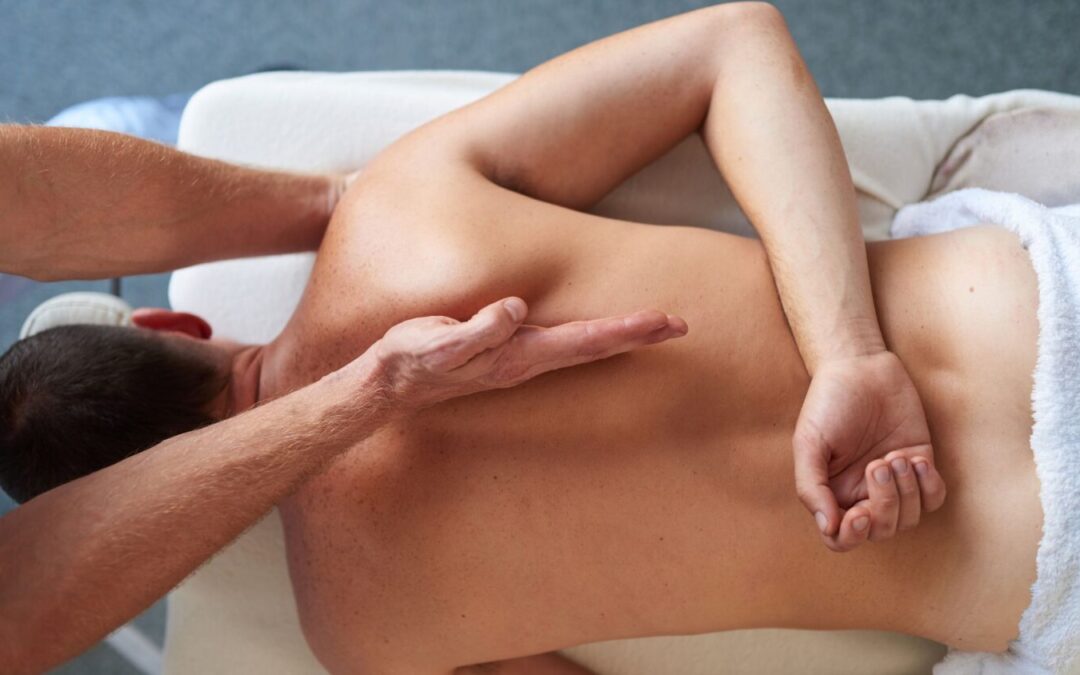
When people think of massage, they often picture a spa day or a treat reserved for special occasions. In reality, Massage therapy Llandudno is a well established, evidence backed treatment that can play a meaningful role in managing pain, reducing stress, and supporting overall physical health. Whether you are dealing with a nagging injury or simply carrying tension from a demanding week, understanding what massage can actually do might change how you think about it.
What Massage Therapy Actually Does
Massage works by manipulating the soft tissues of the body, including muscles, tendons, and connective tissue. Through techniques like kneading, stretching, and applying pressure, a skilled therapist can:
- Increase blood flow to targeted areas, helping deliver oxygen and nutrients to tired or damaged tissue
- Reduce muscle tension and break down adhesions that form after injury or repetitive strain
- Stimulate the nervous system in ways that lower stress hormones and encourage relaxation
- Improve flexibility and range of motion by loosening tight muscles and connective tissue
Common Types of Massage
Not all massage is the same, and different techniques serve different purposes:
- Swedish massage uses long, gliding strokes and is often the starting point for people new to massage, ideal for general relaxation and stress relief
- Deep tissue massage targets the deeper layers of muscle and connective tissue, often used for chronic pain or muscle tightness
- Sports massage focuses on the specific demands of athletic activity, helping prevent injury and speed up recovery
- Trigger point therapy targets specific tight spots, or “knots,” in the muscle that can refer pain to other areas of the body
Who Can Benefit from Massage
Massage therapy is not just for athletes or people in pain. It can benefit a wide range of people, including:
- Office workers dealing with neck and shoulder tension from long hours at a desk
- People recovering from soft tissue injuries such as sprains or strains
- Individuals managing chronic conditions like fibromyalgia or tension headaches
- Anyone experiencing high stress levels, since massage has been shown to lower cortisol and support better sleep
What to Expect During a Session
A typical massage session begins with a short conversation about your goals, any areas of pain or tension, and your medical history if relevant. The therapist will then use their hands, forearms, or sometimes tools to work through the muscles, adjusting pressure based on your feedback and comfort level. Sessions can range from thirty minutes for a focused treatment to ninety minutes or more for a full body approach.
It is common to feel some soreness in the day or two following a deep tissue session, similar to the feeling after a good workout. Drinking water afterwards and allowing time to rest can help the body recover and make the most of the treatment.
Choosing a Qualified Therapist
Because massage involves direct physical manipulation of the body, it is important to work with a properly trained and insured therapist, particularly if you have an existing injury or health condition. A good therapist will ask questions before treatment, adjust their technique to your needs, and know when a particular condition might need referral to another healthcare professional instead.
Clinics that combine massage with other complementary therapies, such as osteopathy or physiotherapy, can be especially useful, since they often take a broader view of how different treatments work together to support recovery. For those in need of a professional, experienced approach, a dedicated massage therapy service can help identify the right technique for your specific needs.
Final Thoughts
Massage therapy is far more than an indulgence. Used thoughtfully and consistently, it can be a genuine tool for managing pain, reducing stress, and improving overall wellbeing. If you have been putting off booking a session, it might be worth treating it less like a luxury and more like a piece of your regular health routine.
Recent Comments